Source Latin Dance Dress for Stage Performance Training and Competition
Explore 30 listings for the latin dance dress, comparing materials like polyester and cotton, sizes from XXS to XXXL, and customization options. Buyers can evaluate suppliers offering OEM services and various shipping methods for stage performance and training needs.
Key considerations
Products List
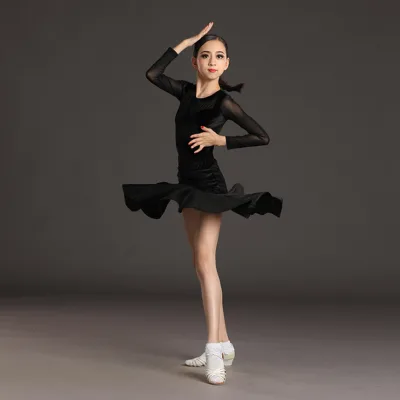
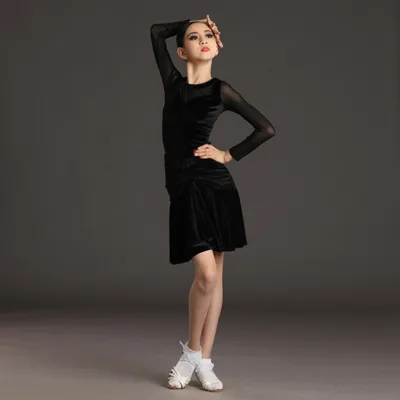
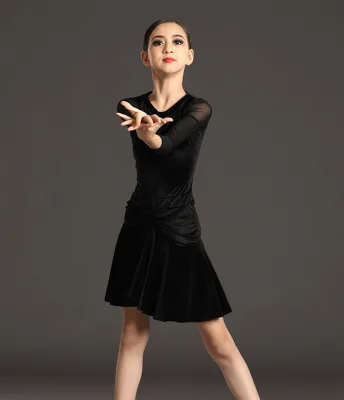
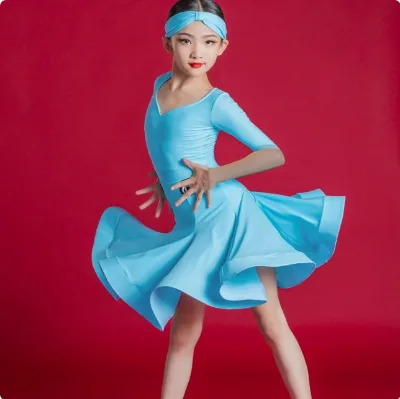
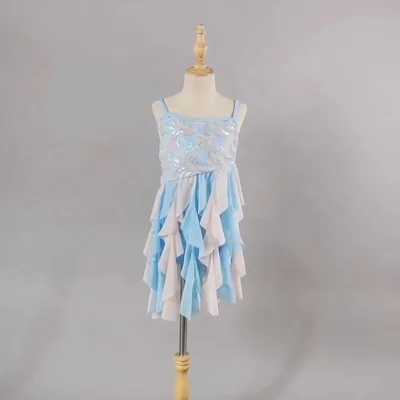
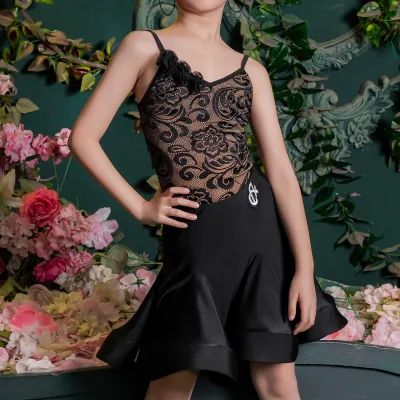
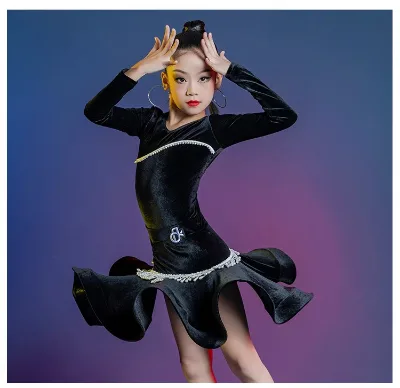
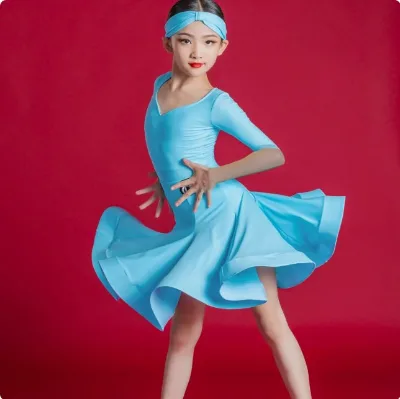
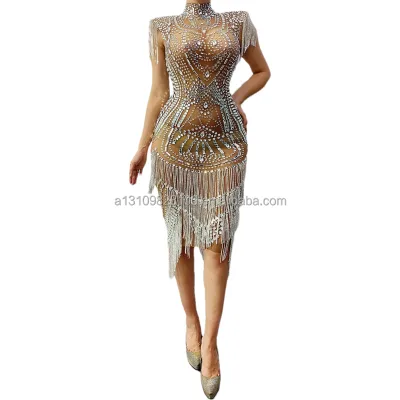
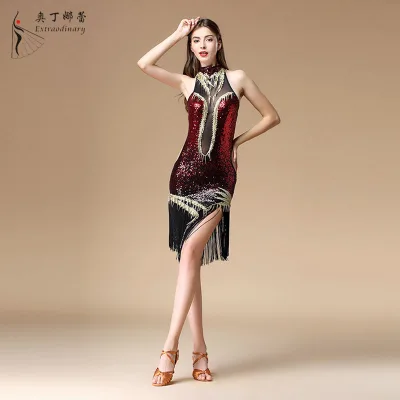
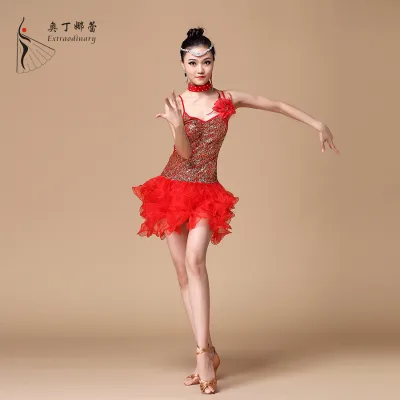
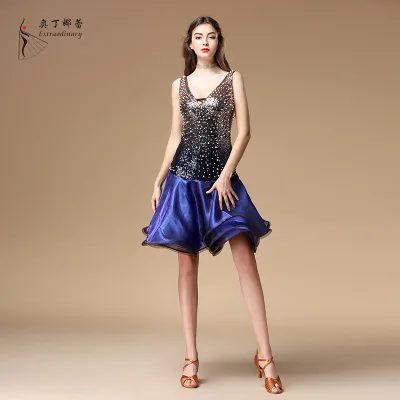
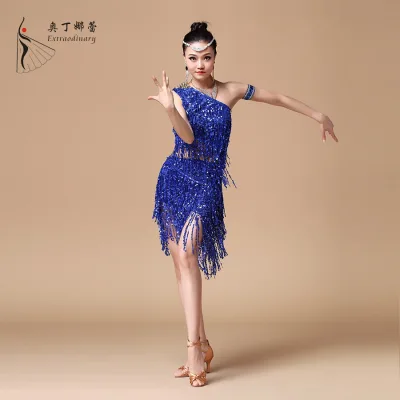
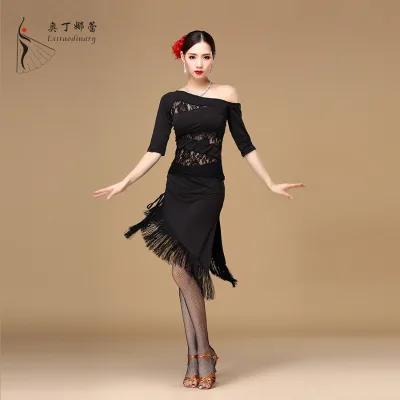
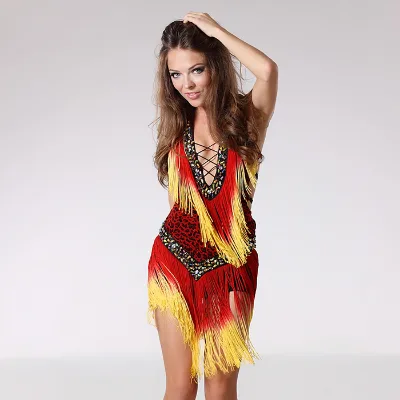
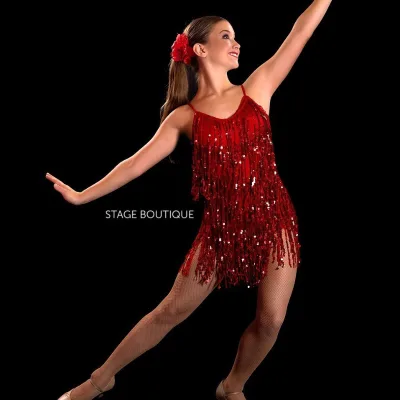
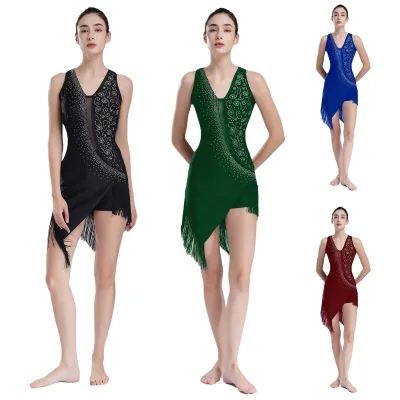
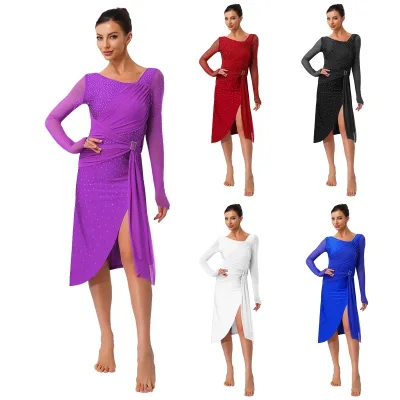
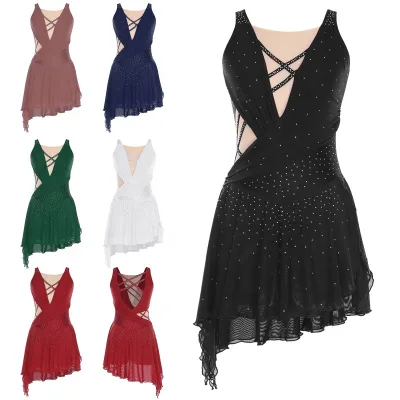
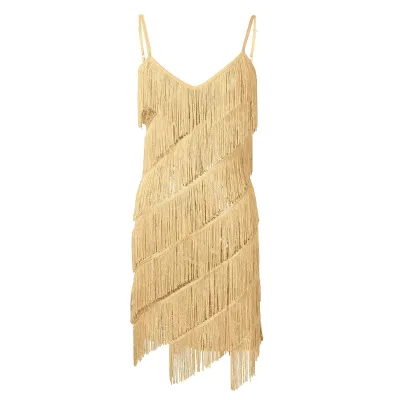


Comprehensive Sourcing Guide
Strategic Sourcing Guide for Latin Dance Dress Procurement
Understanding Product Specifications and Variability
When initiating a procurement strategy for Latin dance dresses, buyers must first navigate the significant variance in technical specifications found across the market. The core product category encompasses a wide range of designs, from stage performance wear to training attire, each governed by distinct material and dimensional requirements. Analysis of current market listings reveals that the primary material composition for these garments is typically a blend of Polyester and Spandex, selected for its elasticity and durability under high-movement conditions. However, alternative formulations exist, including blends of Cotton and Polyester, which may be preferred for specific training environments where breathability is prioritized over the high-stretch requirements of competition.
The physical dimensions of the product are equally critical for logistics planning. Observed data indicates that single package sizes can vary drastically depending on the style and complexity of the dress. For instance, compact items may arrive in packages measuring 8x15x3 cm, while more elaborate designs with tutu skirts or additional accessories may require boxes measuring up to 30x30x20 cm. This variance directly impacts shipping costs and storage requirements. Furthermore, the gross weight of individual units is a key metric for freight calculations, with observed weights ranging from 0.500 kg for lighter training leotards to 1.500 kg for heavier, fully sequined stage costumes. Buyers must verify the specific weight and dimensions of their target model before finalizing freight contracts, as these figures are not uniform across the category.
Compliance, Certification, and Material Safety Standards
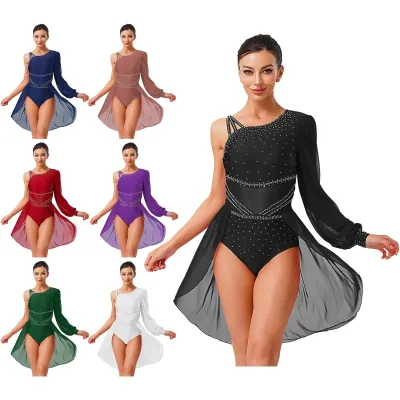
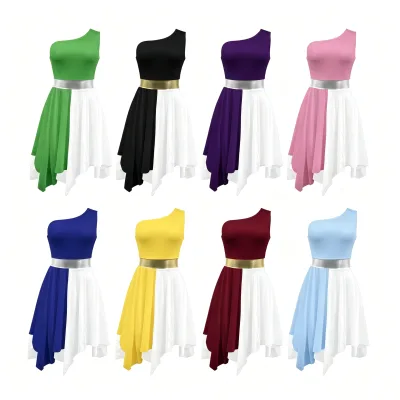
In the realm of B2B procurement for dance apparel, compliance and certification are often areas where buyers must exercise caution due to the lack of standardized public data in general listings. While specific certification bodies or test results are not explicitly detailed in the available product attributes, the sourcing of dancewear involves inherent safety considerations regarding fabric composition and chemical treatments. The materials listed, such as Polyester, Spandex, and Cotton, are standard textiles, but the safety of the dyes and finishes used to achieve colors like Black, Red, Yellow, and Green must be verified.
Buyers should not assume that all listed products meet specific international safety standards without direct confirmation from the supplier. The presence of a "Customized Logo" feature suggests that the manufacturing process involves additional steps, such as screen printing or heat transfer, which introduce their own set of compliance requirements regarding adhesive safety and fabric integrity. When sourcing from regions like Beijing or Guangdong, China, buyers must ensure that the supplier adheres to the import regulations of the destination country regarding textile safety. This includes verifying that the dyes do not contain prohibited azo compounds and that the fabrics are free from harmful substances that could cause skin irritation, particularly for children's wear, which is a noted segment within this category.
Cost Drivers and Pricing Dynamics
The pricing structure for Latin dance dresses is influenced by a complex interplay of factors, including material quality, customization levels, and order volume. The observed market price range spans from $6.89 to $339 USD, a wide disparity that reflects the difference between basic training leotards and high-end, custom-sequined stage costumes. Several key drivers contribute to this variance. First, the complexity of the design, such as the inclusion of long sleeves, tutu skirts, or specific style elements like "Dresses" versus "Tutu & Skirts," significantly alters the cost. Second, the level of customization, particularly the acceptance of a "Customized Logo," adds value and cost to the final unit price.
The Minimum Order Quantity (MOQ) is another critical cost driver. The market data indicates an MOQ range from 1 piece to 200 pieces. For buyers seeking to test the market or fulfill small, urgent orders, suppliers offering an MOQ of 1 piece provide a low-risk entry point, though the unit price may be higher. Conversely, buyers with larger volume requirements can negotiate better rates by targeting suppliers with higher MOQ thresholds. The "Supply Type" also plays a role; "In-Stock Items" generally offer faster availability and potentially lower costs due to economies of scale in production, whereas "Oem Service" items involve custom manufacturing runs, which may incur setup fees and longer lead times.
Typical Applications and Target Demographics
Latin dance dresses serve diverse applications ranging from competitive stage performances to daily training sessions. The product attributes clearly distinguish between these use cases. Some listings explicitly categorize the product for "Dance Stage Performance," indicating a need for high-impact visual elements, durability, and freedom of movement suitable for competition. Other items are designated for "Training," suggesting a focus on comfort and fabric breathability for repeated use in rehearsal settings.
The target demographic is equally varied. The market includes specific lines for "Children" and "Adults," with age suitability ranges noted as 18-50 for certain adult-focused models. Sizing is another critical factor, with observed size ranges extending from XXS (110) to XXXL (190), covering a broad spectrum of body types. Buyers must align their procurement with the specific needs of their end-users. For instance, a supplier offering "Girls" specific leotards with long sleeves and tutu skirts would be inappropriate for an adult competitive team. Additionally, the "Performance Wear Type" is specified as "Latin," ensuring that the cut and design of the dress accommodate the specific rotational and extension movements required in Latin dance styles, distinguishing them from Ballroom or other dance forms.
Supplier Evaluation and Operational Capabilities
Evaluating a potential supplier requires a deep dive into their operational capabilities, logistics, and financial terms. The geographic origin of the products is a primary indicator of supply chain dynamics, with listings originating from both Beijing and Guangdong, China. These regions are known for their textile manufacturing clusters, but buyers should verify the specific factory capabilities rather than relying solely on the city name. The "Brand Name" field shows a mix of OEM (Original Equipment Manufacturer) services and specific brand names like "DanceLife," indicating that buyers can source either white-label products or branded inventory.
Logistical capabilities are essential for ensuring timely delivery. The observed shipping methods include Express carriers such as DHL, FedEx, UPS, EMS, and TNT, which are suitable for urgent orders. However, buyers must confirm the actual lead times, as some suppliers offer support for sample orders with a 7-day lead time, while others may have longer production cycles for custom orders. Payment terms are another area of due diligence, with common methods including Bank Transfer, Credit Card, Western Union, Money Gram, and PayPal. Buyers should assess the security and convenience of these payment options relative to their company's financial policies. Furthermore, the "Packing" standards, such as "1pc/OPP Bag" or "One leotard in a clear poly-bag," should be evaluated to ensure they meet the buyer's requirements for product protection and presentation.
Quality Control and Long-Term Procurement Considerations
Establishing a robust quality control (QC) protocol is vital for maintaining product consistency, especially when dealing with customized items. Given the variability in materials and finishes, buyers should implement a pre-shipment inspection process. This should include checks for stitching integrity, color fastness, and the accuracy of the customized logos. The observation of "Same as pic" color descriptions highlights the risk of color variation between the digital representation and the physical product. Buyers must request physical samples or color swatches to verify that the final product matches the intended specifications before authorizing bulk production.
For long-term procurement, building a relationship with suppliers who offer "Oem Service" and "In-Stock Items" provides flexibility. The ability to switch between stock and custom orders allows buyers to manage inventory levels effectively. Additionally, the availability of a wide size range, from XXS to XXXL, ensures that the supplier can accommodate growth or changes in the buyer's customer base. Buyers should also consider the environmental impact of their procurement, inquiring about the sustainability of the Polyester and Spandex blends used. Finally, maintaining clear communication regarding the "Single package size" and "Single gross weight" ensures accurate forecasting of shipping costs and storage needs, preventing unexpected expenses that can erode profit margins over time. By adhering to these rigorous evaluation and quality standards, buyers can secure a reliable supply chain for Latin dance dresses that meets both performance and commercial objectives.
FAQs
What materials are used for latin dance dresses?
The primary materials are Polyester and Spandex blends, though some training items use Cotton and Polyester. These fabrics provide the necessary elasticity and durability for high-movement performance or comfort during daily rehearsal sessions.
Can I order a single piece of latin dance dress?
Yes, suppliers offer a Minimum Order Quantity of just 1 piece for many items. This allows buyers to test the market or fulfill urgent needs without committing to bulk inventory, though unit prices may vary based on the specific model.
How long does it take to receive a sample order?
Sample orders typically support a lead time of 7 days for production. This quick turnaround is available for specific models, enabling buyers to verify quality and customization options before placing larger volume orders with the manufacturer.
Which sizes are available for children and adults?
Sizes range from XXS (110) to XXXL (190) to accommodate both children and adults. Specific age groups like Children or Adults are targeted by different models, ensuring the fit matches the intended demographic for stage performance or training.
What customization options are available for the logo?
Customized logos are accepted on the dresses, allowing for unique branding. This service enables buyers to add their own identity to the product, which is particularly useful for teams or brands requiring specific visual elements for competitions.
Where are these latin dance dresses manufactured?
Products originate from manufacturing hubs in Beijing and Guangdong, China. These regions are known for textile production, and buyers should verify specific factory capabilities as the location can influence logistics and shipping terms for the final delivery.
How are the dresses packaged for shipping?
Items are typically packed individually in OPP bags or clear poly-bags. The single package size varies from 8x15x3 cm for compact items to 30x30x20 cm for elaborate designs, directly impacting shipping costs and storage requirements.